Hope has always been one of Nigeria’s most powerful political currencies. It is invoked often, spent freely, and recycled whenever the nation reaches another breaking point.







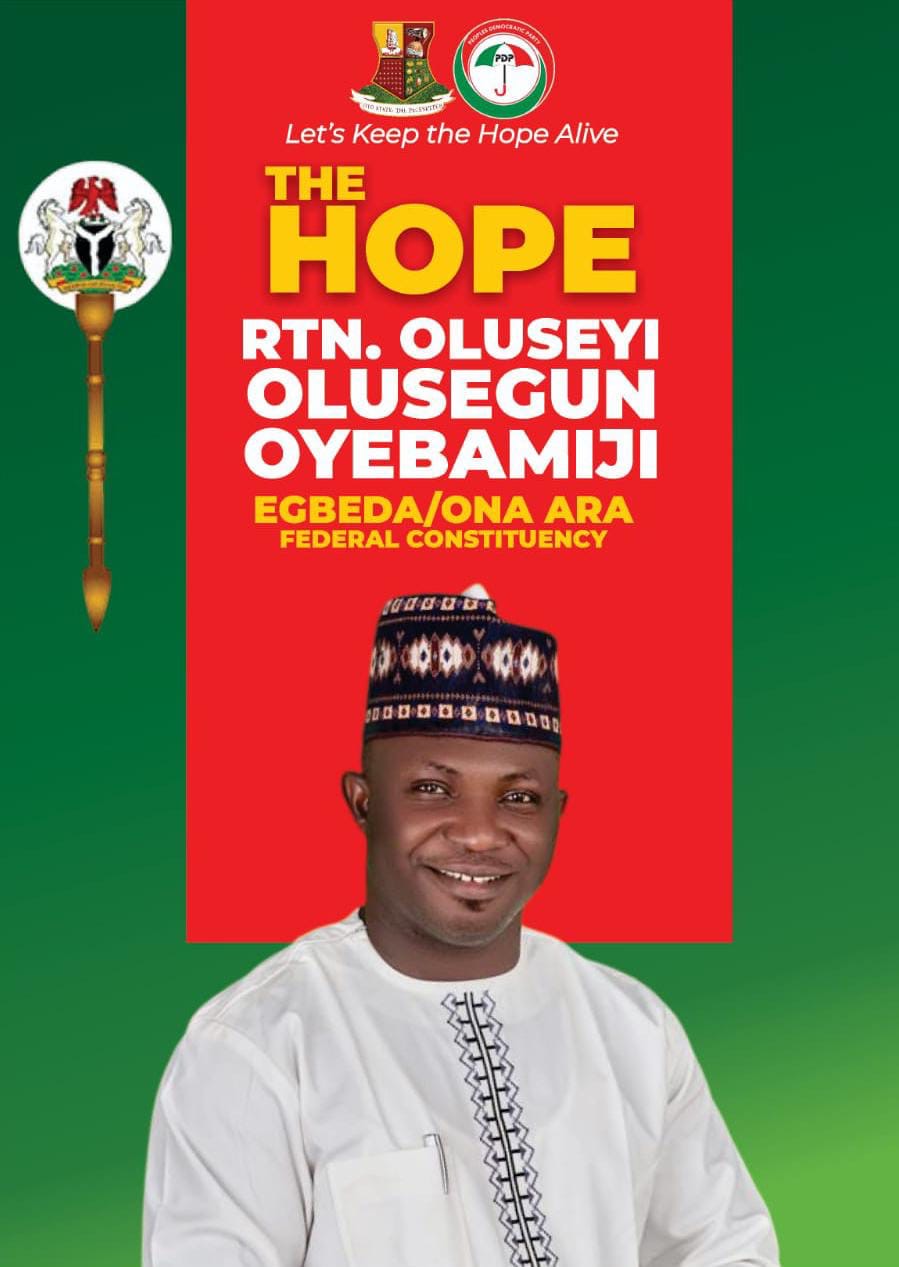
To understand why “Renewed Hope ’23” resonates, it is necessary to revisit a moment when hope meant something more tangible – and was carried by a man whose life had already earned it.
The Memory of ’93
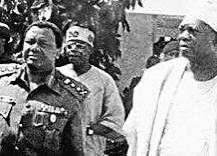
For Nigerians who lived through 1992/93, the political movement around Chief M.K.O. Abiola remains a defining moment in the country’s democratic journey.

Abiola did not build his credibility on slogans. His influence was already visible across finance, agriculture, education, journalism, and philanthropy.
In an era without cellular phones, social media, fintech, or modern digital infrastructure, he built verifiable businesses that created jobs, funded scholarships, and lifted families out of poverty.
Abiola touched lives long before he sought political office. That is why Hope ’93 resonated: it was not merely a campaign message but the political expression of a life already lived in service to others. But this essay is not about Abiola. It is about what Nigeria does with legacies like his.
Borrowed Glory, Forgotten Lessons
Nigeria has a habit of riding on the reputations of men it has no intention of emulating. We celebrate legacies we do not study, invoke names we do not honour, and recycle symbols we do not understand.
This pattern resurfaced during the Buhari era. Many rode into relevance on the back of his reputation as a disciplined, incorruptible leader from the 1980s.
But the Buhari who returned to power decades later was not the Buhari of memory. Whether weakened by age, illness, or political compromise, he delegated freely and followed through weakly.
Those who installed him watched from the sidelines as the country struggled under their party’s stewardship. Their silence was strategic; their ambitions more important than the nation they claimed to rescue.
That future they were protecting is now yesterday. And here we are – same party, same machinery, same political actors.
So, what connects ‘Renewed Hope ’23’ to ‘Hope ’93’?
Not ideology.
Not leadership style.
Not track record.
The connection is emotional recycling.
1 The reuse of a trusted national memory
“Hope” is not just a word in Nigeria; it is a historical trigger.
It recalls a moment when the country briefly believed in something larger than tribe or religion. Political strategists understand this. They know that invoking hope taps into nostalgia that requires no proof of performance.
2 Borrowed legitimacy without inherited responsibility
Abiola’s hope was built on decades of tangible contribution. Modern political branding often reverses the order: the slogan comes first, the substance (if it ever arrives) comes later.
3 Exploiting national exhaustion
Both slogans emerged in moments of deep public fatigue. In 1993, Nigerians were tired of military rule. In 2023, they were tired of economic strain, insecurity, and governance failures. Hope becomes a balm, even when the underlying wound remains untreated.
4 A national memory that resets too easily
We forget too quickly. We forgive too easily. We repeat too often. And because we do not demand continuity of values, only continuity of slogans, the political class keeps repackaging old emotions for new ambitions.
The Real Issue
The question is not whether “Renewed Hope ’23” is sincere or effective. The question is whether Nigerians have learned to distinguish between hope as a memory and hope as a mandate.
Abiola embodied hope before he declared it. Modern politics often declares hope before attempting to embody it.
The Hope We Keep Misplacing
Hope is not a campaign promise. It is a responsibility – one that must be earned long before it is advertised. Abiola carried that responsibility in his businesses, philanthropy, and national presence.
Today, hope is too often reduced to a branding exercise, a slogan deployed to mask the absence of structural commitment.
Nigeria’s tragedy is not that politicians recycle hope. It is that citizens accept the recycled version without demanding the original substance.
Until we insist that hope be built, not borrowed, we will continue to ride on the forgotten – and arrive exactly where we started.