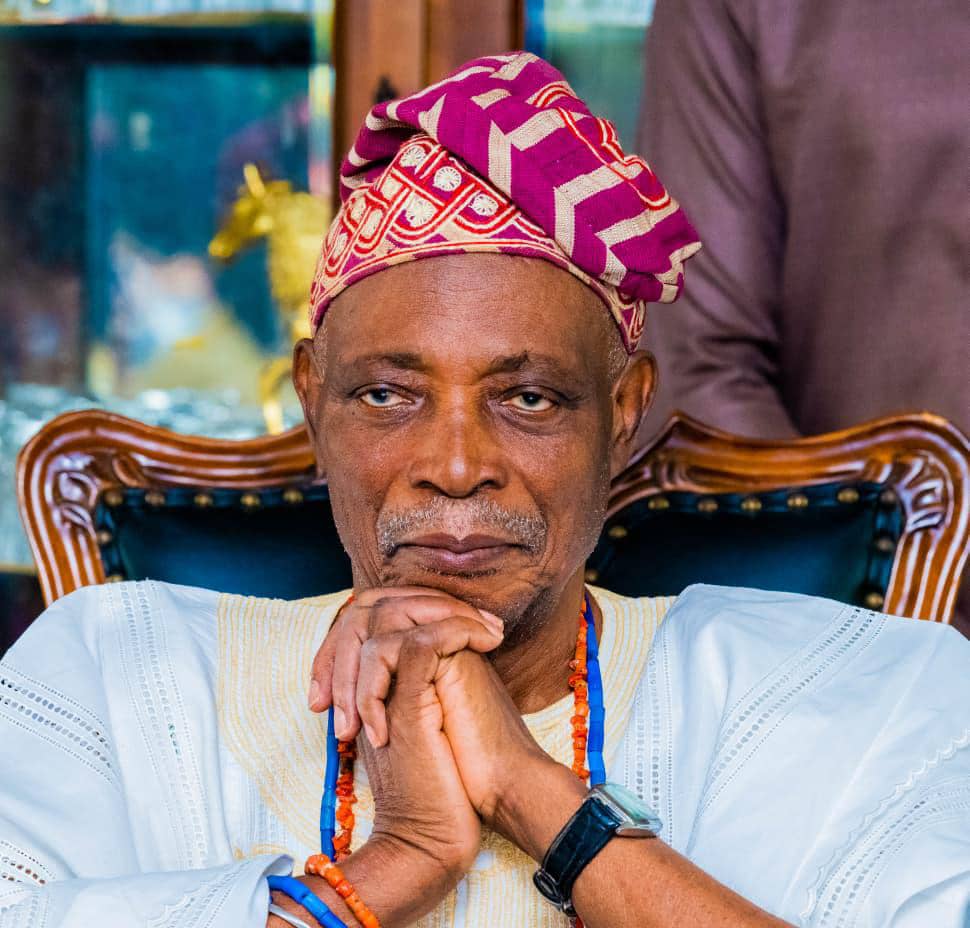
The recent comments credited to the Olubadan of Ibadanland, Oba Rashidi Adewolu Ladoja, in support of President Bola Ahmed Tinubu and the All Progressives Congress should concern every Ibadan indigene who believes the Olubadan stool must remain above partisan politics.
Oba Ladoja reportedly said President Tinubu was working and deserved to be president for a long time. He also acknowledged that the President’s performance could help the APC win future elections. From an ordinary political actor, that would be unremarkable. From the Olubadan of Ibadanland, it raises a question that shouldn’t be brushed aside: when did the Olubadan return to partisan politics?
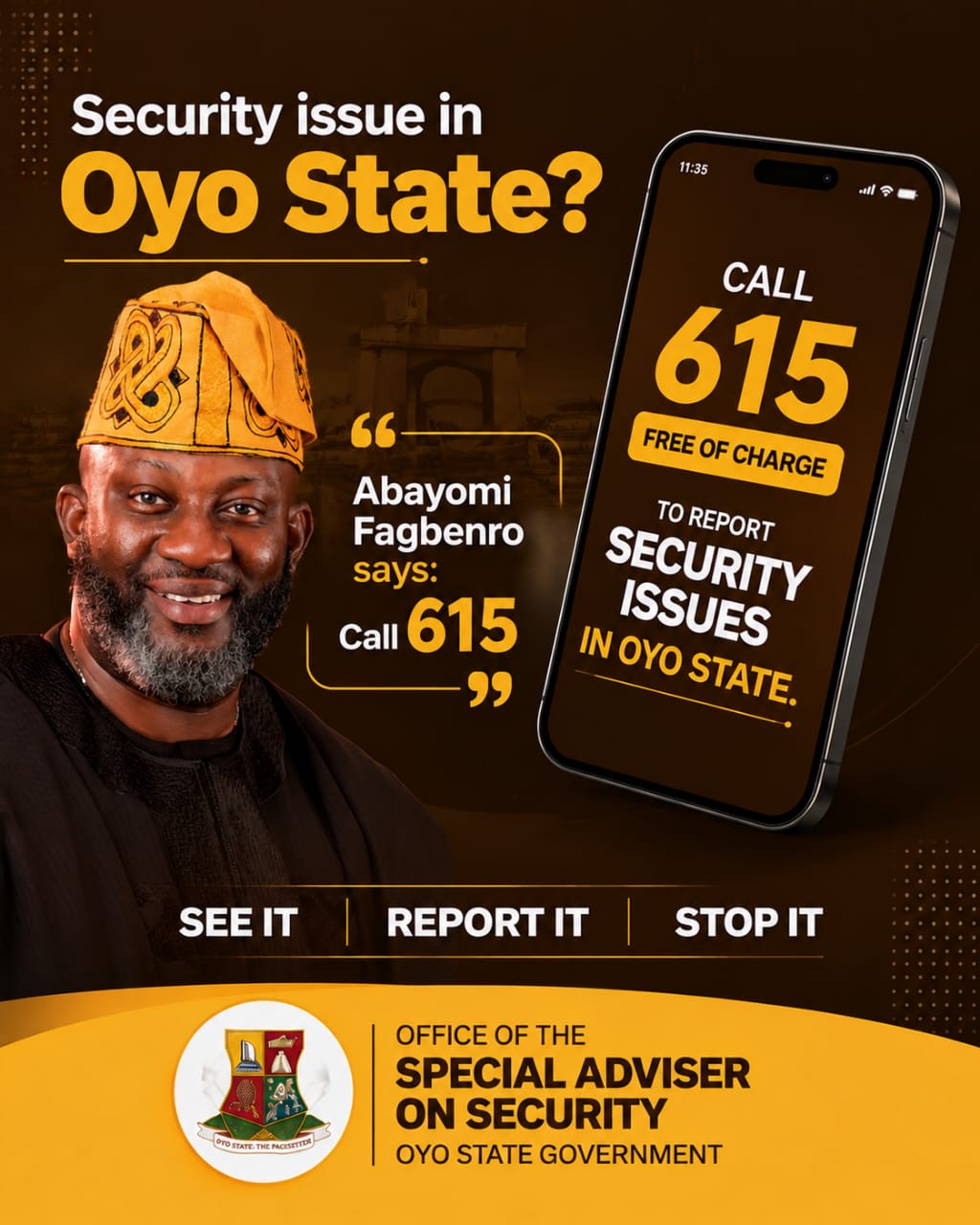

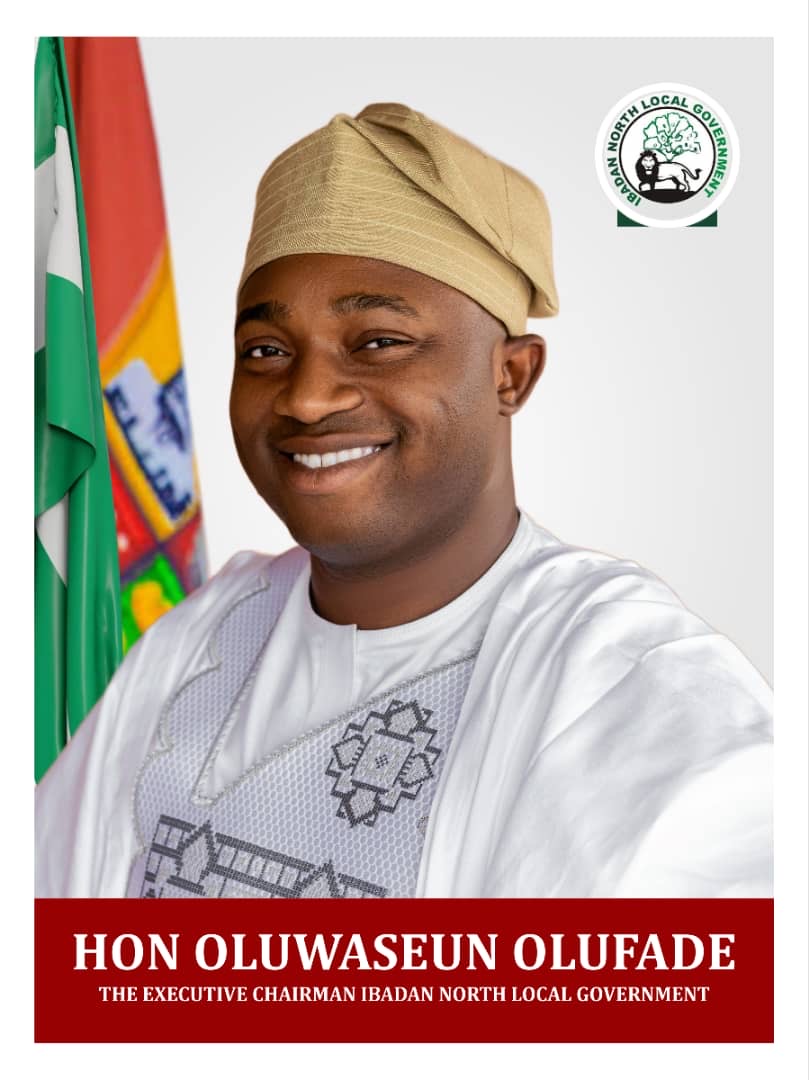

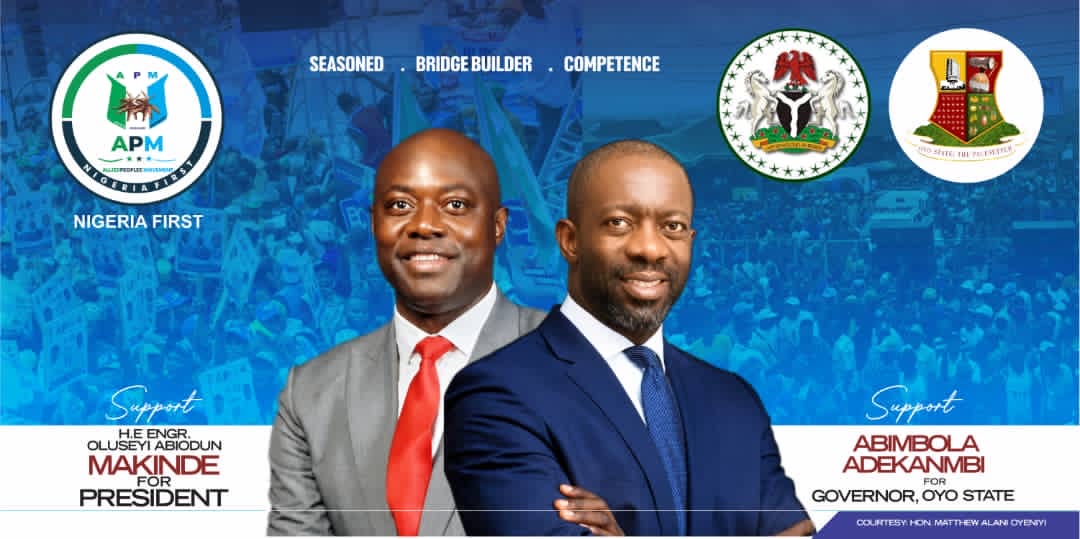






Shortly after his coronation in September 2025, Oba Ladoja received former Vice-President Atiku Abubakar and other politicians and made a point of declaring that he was no longer one of them. No longer a politician, but Olubadan for everybody. That declaration was widely reported at the time, and it was exactly what Ibadan people expected to hear from their new monarch. The Olubadan is father to all: APC, PDP, Accord, ADC, and those with no party at all. The palace has to be somewhere every Ibadan person can walk into without wondering whether their politics counts against them.
It’s hard to square that declaration with the present effort to talk up Tinubu’s continuation in office and how his performance might benefit the APC at the polls.
Oba Ladoja is entitled to acknowledge federal projects that benefit Ibadan. If roads are built, security improves, or development reaches the city, he can and should say so, and press for more on his people’s behalf. That’s part of the job. But saying a president deserves to stay in power for a long time goes beyond praising a finished project. That’s an endorsement. And once the Olubadan steps into that territory, Ibadan people are entitled to weigh not just the statement but the political history behind it.
That history is one of frequent movement. Oba Ladoja became governor on the PDP platform, fell out with the party, moved to Accord and contested under that banner, returned to the PDP, left again for the ADC, and within a short time moved on to the Zenith Labour Party, before his bloc eventually aligned with the APC. That sequence, Accord to PDP to ADC to ZLP, is documented and on the public record.

At each stage, followers were asked to accept a new explanation, a new political home, sometimes a new set of allies. People cast as opponents one year became partners the next. Parties once dismissed as unfit for leadership became acceptable once the calculation changed.
The pattern shows up even more clearly in Oba Ladoja’s relationships with the two men who governed Oyo State before he took the throne: the late Senator Abiola Ajimobi and Governor Seyi Makinde.
For eight years, Ladoja was one of Ajimobi’s most prominent opponents. He contested against him, challenged his government, and fought hard against the elevation of Ibadan High Chiefs to beaded-crown obas. This wasn’t quiet disagreement. He turned down the crown offered under the Ajimobi administration, called the exercise unnecessary, and opposed it both politically and in court. The only crown he wanted, he said, was that of the Olubadan.
Then in August 2024, under Governor Seyi Makinde, Ladoja accepted a beaded crown as Otun Olubadan. The legal framework had changed, but the symbolism was hard to miss: the man who had built real public sympathy by rejecting Ajimobi’s crown accepted one once his own path to the Olubadan throne appeared to run through resolving that same dispute. Some will call that pragmatism. It also feeds the concern that Oba Ladoja’s firmest positions sometimes hold only until the calculation around them changes. Daily Trust documented how the beaded-crown dispute was eventually resolved.
His relationship with Governor Makinde followed a similar arc.
Ladoja was central to the coalition that put Makinde in office in 2019. He persuaded rival governorship candidates and political blocs to step aside and back Makinde as the consensus candidate, and Makinde himself has publicly credited Ladoja with midwifing that coalition, an acknowledgement reported by The Guardian.
The relationship soured not long after, largely over how the coalition agreement and political appointments were shared out. By the 2023 election, Ladoja was no longer standing with the governor he’d helped install. He backed the APC candidate, Senator Teslim Folarin, against him.
Makinde won re-election comfortably anyway, taking 31 of the state’s 33 local government areas to the APC’s two.
That result is worth remembering. Ladoja’s backing mattered to the 2019 coalition, but his opposition wasn’t enough to stop Makinde in 2023. Ibadan voters showed they could listen to Ladoja, respect him, and still vote the other way.
As Ladoja’s path to the Olubadan throne opened up, the relationship with Makinde repaired itself. Their differences were resolved, Makinde approved his nomination, and presented him with the staff of office. The ally who’d become an opponent was an ally again once circumstances called for it.
Reconciliation itself isn’t the issue. Politics shouldn’t produce permanent enemies. But when support, opposition and reconciliation keep tracking changes in personal or strategic interest, the public is entitled to ask whether each new position rests on principle or convenience.
The point isn’t that Oba Ladoja owes permanent opposition to Ajimobi, Makinde, Tinubu or anyone else. It’s that his record gives Ibadan people no reason to treat his latest preference as fixed. Ajimobi was fought hard when opposing him served Ladoja’s interest. Makinde was backed in 2019, opposed in 2023, and embraced again after. Now Tinubu and the APC are getting an endorsement from the same man who, on becoming Olubadan, said he was no longer a politician.
Ibadan people have seen this before. In 2023 they saw that Ladoja could back a candidate and the electorate would still choose otherwise. His ascension to the throne has raised the respect owed to his person, but it hasn’t handed over anyone’s political conscience.
This is why the latest alignment with Tinubu and the APC shouldn’t be read as the political position of Ibadanland. It’s Oba Ladoja’s personal view, and it should stay that way.
Affection for the Olubadan stool is not the same thing as unquestioning political loyalty to whoever occupies it. Ibadan people respect the institution, but they’re also politically sharp and fiercely independent. They listen, weigh things up, and make their own decisions. Recent political history should have taught every leader in the state that nobody, not a former governor, a political godfather, a wealthy businessman, or a respected monarch, can simply direct how Ibadan votes. The city is too large, too diverse and too politically aware to be handed to any party through a palace endorsement.
People will judge Tinubu and the APC on their own experience: the cost of food, fuel and transport; jobs, security, schools, infrastructure; whether their income still stretches. Whether government policy has actually improved their lives isn’t something the friendship between Tinubu and Ladoja can settle.
More importantly, Oba Ladoja now holds a position that outlasts any political alliance. Presidents come and go; governments and parties change; the Olubadan stool remains. It shouldn’t be exposed to the wins, losses and disappointments of partisan politics. Whoever is in government, whichever party succeeds or fails, the palace needs to stay somewhere every side can approach with confidence.
Nobody is asking Oba Ladoja to stay silent on national affairs. Ibadan needs a monarch willing to speak on development, security, justice and the welfare of his people. But there’s a real difference between speaking truth to government and campaigning for its continuation. Oba Ladoja’s own political career, with its many changes of platform and alliance, is reason enough that his current preference shouldn’t be read as an instruction to Ibadan voters. He may admire President Tinubu, commend federal projects, and genuinely believe the APC deserves another term. That’s his prerogative. What he cannot do is carry Ibadanland into the APC with him.
Ibadan people will go on respecting their Olubadan and defending the dignity of the stool. But when the time comes to vote, they’ll look at their own circumstances, consult their own conscience, and reach their own conclusions. Respect for the throne is not a blank cheque, and reverence for the Olubadan should never be mistaken for electoral submission.
Source: The Cable.