
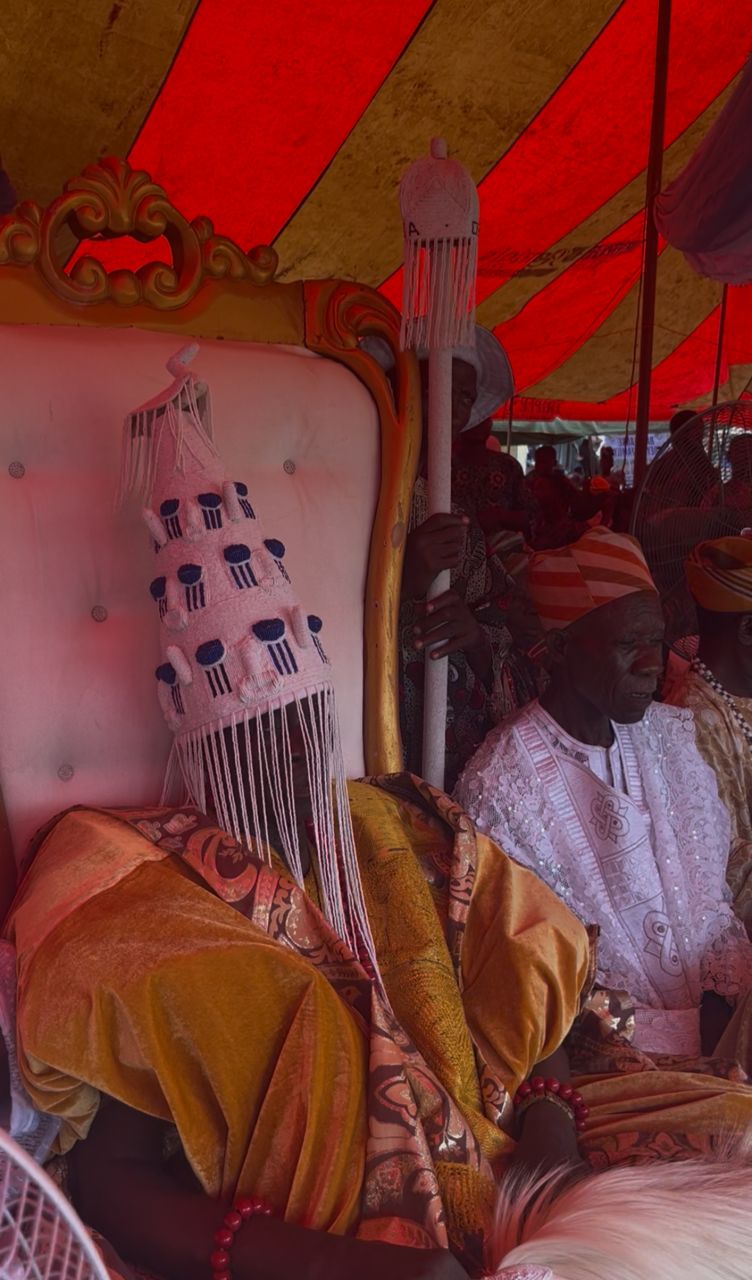
The Ago-Oja people are the earliest known settlers of present-day Oyo Town. Their ancestral origin is traced to Ile-Ife, the cradle of the Yoruba race, through the Obàtálá lineage of the Aládìkún ancestry.
According to oral tradition, Aládìkún begat Lasílẹ̀, who in turn begat Lasílọ̀. Lasílọ̀ was the father of Oja, Elebu, and Ailumo, making all three brothers. The family originally resided at Obate, where successive generations lived as hunters, warriors, and primarily farmers for a considerable period.



























Due to unfavorable conditions at Obate—including poor soil fertility, food scarcity, and recurring diseases—Oja, also known as Olaboyede Oja, led his household and followers away from their ancestral settlement in search of a more habitable environment.
Around 1792, Oja established a new settlement through farming and hunting activities. This settlement became known as Ago-Oja, literally meaning “Oja’s settlement,” in recognition of its founder. Olaboyede Oja thus became the first Baalẹ̀ (Baale Ago-Oja) and the acknowledged founder and ruler of Ago-Oja.
TRADITIONAL RULERS OF AGO-OJA (CHRONOLOGICAL ORDER)
- Baale Olaboyede Oja
Founder of Ago-Oja and its first Baale. He established the settlement, instituted chieftaincy titles, and laid the foundation for governance, agriculture, and security. - Baale Elebu
Brother of Olaboyede Oja and successor in leadership, who continued the consolidation and stability of the settlement. - Ailumo (Baale-designate / First Asipa)
Brother of Olaboyede Oja and Elebu, Ailumo served as the first Asipa, representing a transitional phase in the leadership structure. - Asipa Oyeniya
- Asipa Lajuori
- Asipa Logudu
- Asipa Lakojo
- Asipa Akanji
- Asipa Adisa
- Asipa Oyewusi
- Asipa Lalookun
- Asipa Oyedemi Olokonla
- Asipa Bello Oyekola
- Asipa Amuda Olorunkosebi
- His Majesty Oba Aleyeluwa Abdul Ganiyu Ajiboye Busari (Arogundade II)
(The present and recognized monarch of Ago-Oja, marking the evolution of leadership from Baaleship and Asipa administration to a full traditional kingship institution.)
SETTLEMENT AND REGIONAL RELATIONS
After the establishment of Ago-Oja, Olaboyede Oja became aware that his settlement was surrounded by other towns and villages such as Ojongbodu, Aawe, Iseke,Idode, Akeetan, Iseyin, Ikoyi, Ogbomosho and others. Despite this, Ago-Oja retained its distinct identity, autonomy, and territorial recognition under its leadership.





To ensure effective governance, Olaboyede Oja instituted a chieftaincy system, appointing chiefs to oversee administration, security, farming activities, and communal order—thereby laying the foundation for structured traditional governance.
Oral history further affirms that Olaboyede Oja maintained blood and kinship ties with the Soun of Ogbomoso, reinforcing historical relationships between Ago-Oja and neighboring Yoruba polities.
The Ago-Oja people are a well-organized agrarian and warrior community, firmly rooted in Ile-Ife origin, Obàtálá ancestry, and early settlement history within present-day Oyo Town. Their leadership evolved organically from the founding Baale to successive Asipas and ultimately to a recognized Obaship, reflecting continuity, legitimacy, and enduring cultural identity.