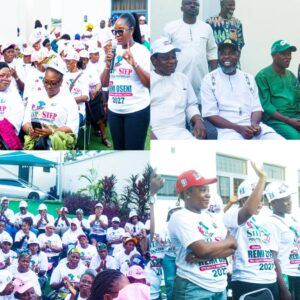

As Oyo State gradually approaches the 2027 governorship election, the desperation of some political actors to manufacture public support through financial inducements and online mobilisation deserves serious scrutiny.
The latest controversy surrounding a recruitment programme tagged “Monthly Data Support for BSA Online,” reportedly linked to former Akinyele Local Government Chairman, Hon. Akin Akinleye, has raised fresh questions about the political strategies being deployed by supporters of Barrister Sharafadeen Abiodun Alli, the All Progressives Congress (APC) governorship candidate in Oyo State.








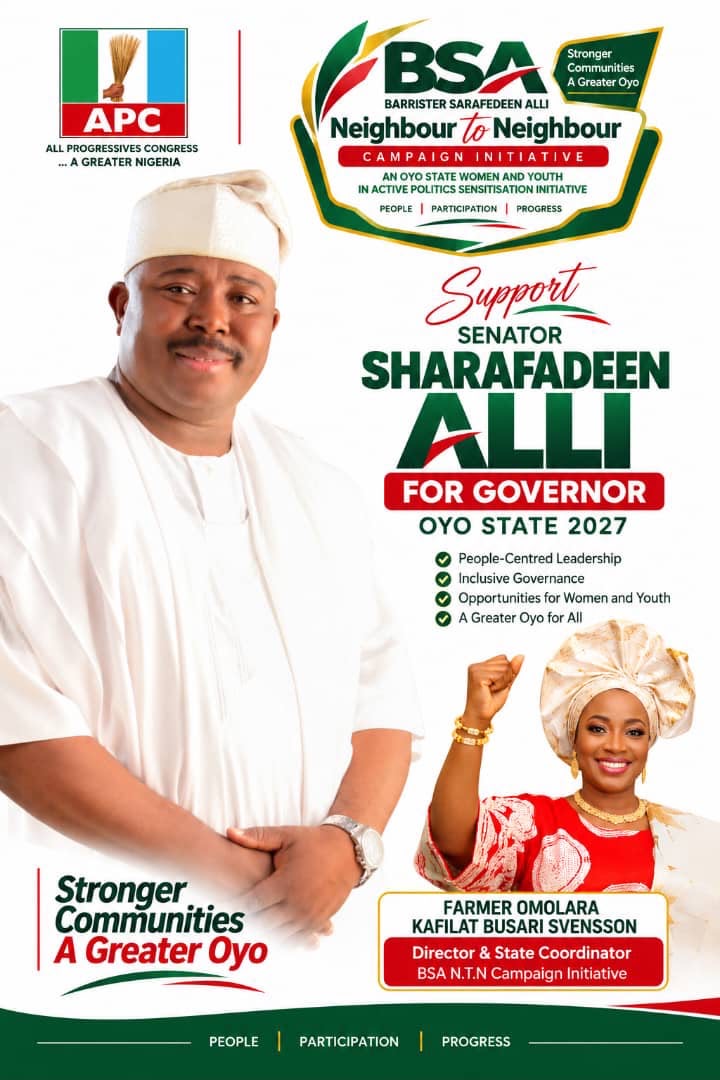
The reported offer of ₦100,000 monthly to people engaged in online activities in support of Alli raises a fundamental question: is the campaign prepared to convince the people of Oyo State through a credible record of public service and a clear development agenda, or does it believe that money and a carefully organised online presence can manufacture political acceptance?
There is nothing inherently wrong with paying people for legitimate digital communication services. However, such an initiative must not be confused with genuine grassroots acceptance, nor should a paid online network be presented as proof that the electorate has embraced a candidate.
The people of Oyo State are not political merchandise, and online visibility is not the same thing as public confidence.
Those who believe that financial inducements automatically translate into electoral support should study the broader lessons of Nigerian elections, including the 2022 Osun governorship election.


Vote-buying and financial inducements have repeatedly attracted condemnation from election observers and civil society organisations. Yet, the existence of such practices does not mean that every voter who receives an inducement necessarily votes according to the wishes of the person offering it.
That is the reality political strategists must understand. People have personal convictions, political preferences and independent reasons for supporting particular candidates.
Financial incentives cannot guarantee that those preferences will disappear.
The ₦100,000 monthly data-support arrangement, therefore, should not be mistaken for a guarantee of political loyalty. Even where individuals accept payment for legitimate online work, their participation does not establish that the wider electorate supports the candidate whose name appears in the programme.
The question for Alli’s political camp is whether it intends to build public confidence through substantive engagement or allow financial mobilisation to overshadow the difficult but necessary work of explaining its candidate’s record and plans.
No campaign should confuse a paid online operation with the voice of an entire state.
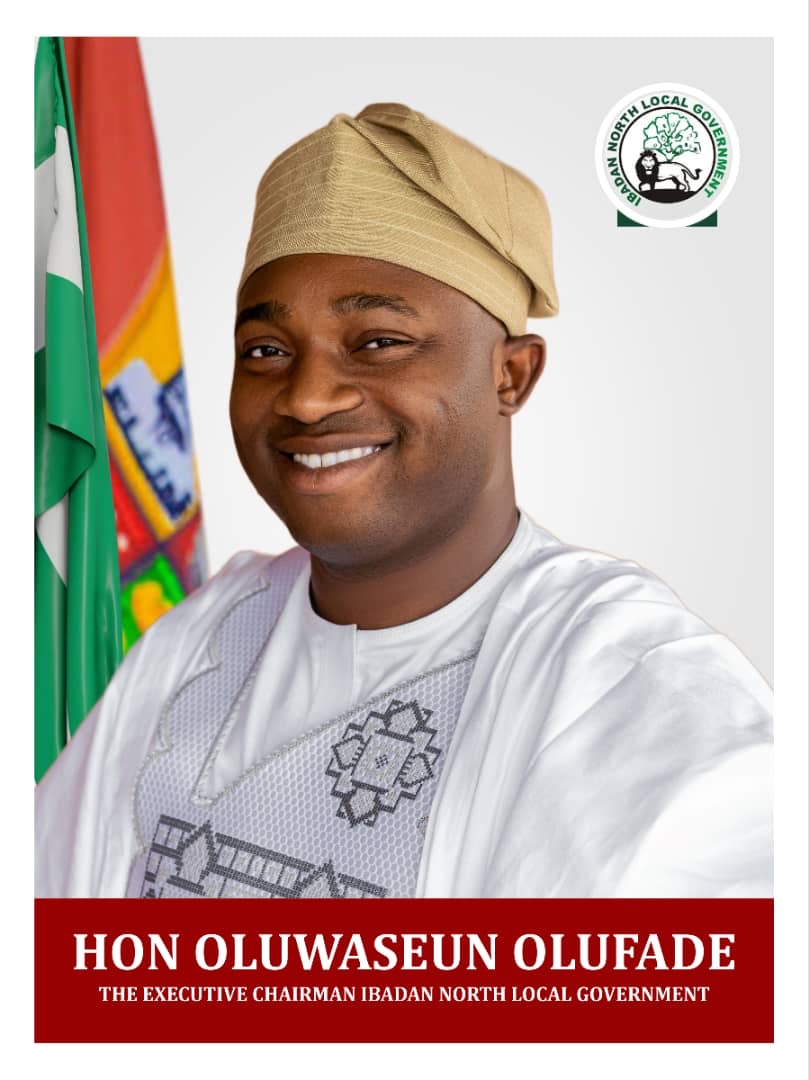
Barrister Sharafadeen Alli’s political history is not beyond examination. As a former chairman of Ibadan North Local Government in 1991 and a current senator representing Oyo South Senatorial District, he has occupied positions of public responsibility. Those positions naturally invite questions about his record, the decisions made during his tenure and the outcomes delivered to the people.
Supporters who are working hard to project Alli politically should also be prepared to defend his record with facts, evidence and verifiable achievements. They cannot reasonably demand public acceptance while treating difficult questions about his previous offices as if they were irrelevant.
Critics of Alli’s tenure at Ibadan North have raised allegations concerning the management of council resources, workers’ welfare and salary arrears. There have also been allegations that workers experienced prolonged salary delays and faced detention after demanding their entitlements.
If the allegations concerning nine months of unpaid salaries are substantiated, the people deserve an explanation of how such a situation arose, what steps were taken to resolve it and what lessons the candidate has drawn from that period.
Public office is not a private inheritance, and a political career does not exempt anyone from questions about the treatment of workers or the management of public funds.
The same scrutiny must extend to Alli’s current position in the Senate. What has he delivered in legislative work, constituency representation, public advocacy and development projects? Which outcomes can residents of Oyo South independently verify? How do his record and proposals address the needs of the people he seeks to govern?
These are legitimate questions in a democratic contest. They cannot be answered by recruiting more online supporters, producing louder slogans or promising monthly payments to people who promote a candidate on social media.
The reported initiative associated with former Akinyele council chairman Hon. Akin Akinleye deserves clarification, particularly because of the stated monthly payment of ₦100,000 and the programme’s “Monthly Data Support for BSA Online”.
What exactly are the recruits being paid to do? Is the arrangement strictly for data and digital communications, or does it require participants to carry out specific political assignments? What is the source of the funding, and what measurable work is expected in return?
A campaign confident in its candidate’s record should welcome scrutiny. It should be able to explain its policies, defend its achievements and address criticisms without relying on the sheer volume of online activity.
The people of Oyo State deserve political engagement that respects their intelligence rather than assumes that a financial offer will determine their convictions.
The governorship contest should be about the future of Oyo State, not simply about who can deploy the most resources to dominate online conversations.
Residents deserve serious answers on employment, education, healthcare, roads, security, agriculture, workers’ welfare and economic development. They deserve candidates who can articulate realistic priorities, explain how those priorities will be funded and present evidence of their ability to manage public responsibilities.
No amount of online strategy should be allowed to replace a serious discussion of governance. No financial arrangement should be presented as a substitute for a verifiable record of service. And no candidate should expect voters to ignore legitimate questions about past performance simply because supporters have become more active on social media.
Oyo State has its own political history and a diverse electorate with different interests, experiences and expectations. Its people should be treated as citizens whose choices deserve respect, not as a numerical target in an online recruitment exercise.
The challenge facing Alli and his supporters is to demonstrate what distinguishes their candidate’s vision for Oyo State and how it will translate into measurable improvements in people’s lives.
If they believe their candidate offers a compelling alternative, they should present the evidence, defend his record and explain the policies he intends to pursue. If critics raise allegations about his previous administration, those allegations should be answered with records and credible explanations rather than personal attacks or attempts to drown out the discussion.
That is what a serious democratic contest demands.
The people of Oyo State deserve a future shaped by informed decisions, public accountability and development priorities—not a contest in which online visibility is mistaken for political legitimacy.
₦100,000 monthly data support, regardless of the amount or sophistication of the online strategy, cannot by itself establish public trust or settle questions about a candidate’s record.
The ultimate responsibility belongs to the electorate, which has the right to assess candidates, question their records and make independent choices at the ballot box.
As the 2027 election approaches, every political camp should understand that the real measure of a campaign is not the number of people recruited to promote its candidate online, but the quality of the arguments, evidence and development proposals it places before the public.
Oyo State deserves a debate centred on accountability, competence, integrity and the future of its people. Anything less risks reducing a consequential democratic contest to a battle of publicity and financial muscle.
Adewale Abolaji writes from Oyo state.