.
Governor Seyi Makinde’s administration in Oyo State is rewriting the narrative on disability governance—moving persons with disabilities from the margins of public policy to the centre of representation, employment, empowerment and decision-making.



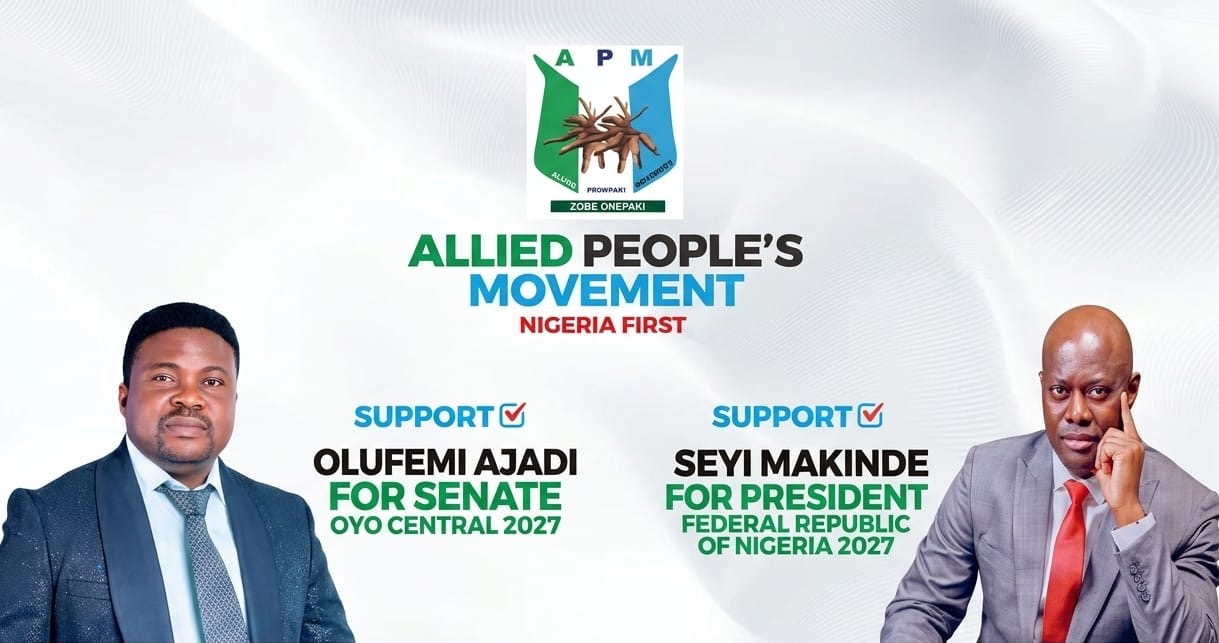






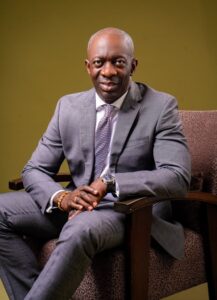
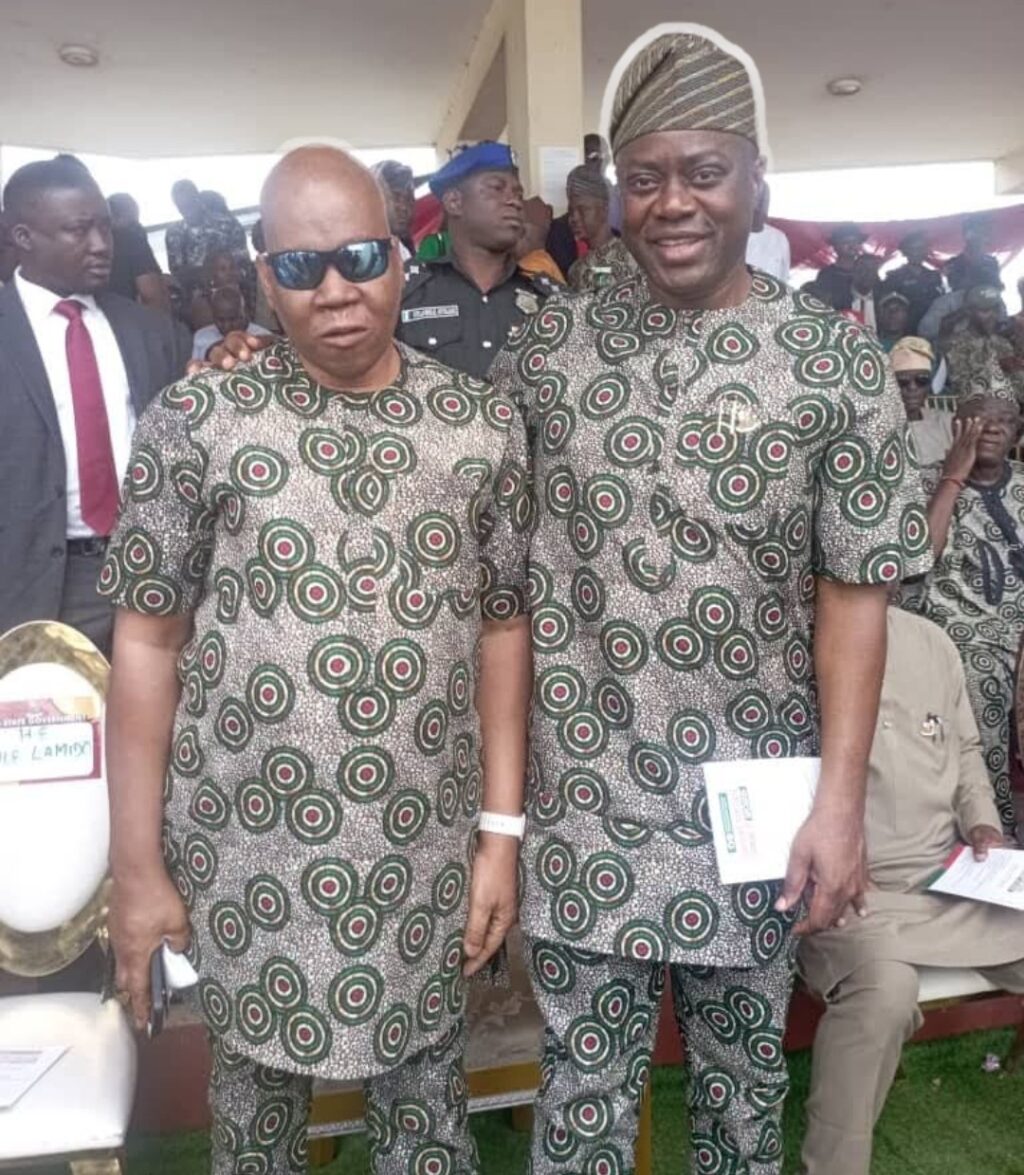
At the forefront of this agenda is Barrister Ayodele Adekanmbi, Director-General of the Oyo State Agency for Persons with Disabilities (OYOSAPDi), who has consistently positioned the administration’s interventions as evidence that inclusion must be deliberate, measurable and institutionalised.
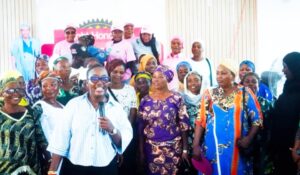
Under Governor Makinde, persons with disabilities have not only received government support; they have been given political space and responsibility. Persons with disabilities have been appointed as Supervisory Councillors across the 33 local government areas, while others serve as Special Assistants to Executive Chairmen, creating an unprecedented grassroots pathway for disability representation in governance.
The administration has also facilitated the employment of more than 1,000 persons with disabilities, a landmark intervention that has significantly expanded economic participation and independence within the community.
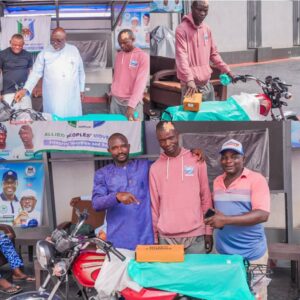
Its broader inclusion drive encompasses the strengthening of OYOSAPDi, provision of wheelchairs, guide canes and other assistive devices, support for accessible transportation and Braille materials, as well as the introduction of the Oyo State Built Environment (Disability Inclusion and Accessibility) Regulations, 2026.

The message from the Makinde administration is therefore increasingly clear: disability inclusion is not charity; it is governance.
Adekanmbi’s National Argument
For Barrister Ayodele Adekanmbi, these interventions provide more than a record of state-level achievements. They offer a template that could be scaled nationally.
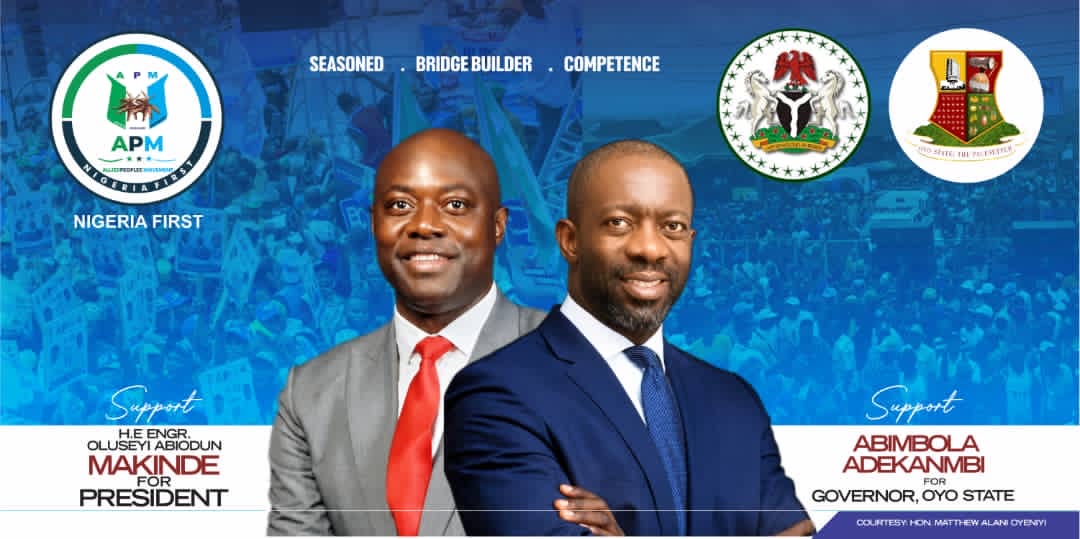
As the 2027 political conversation intensifies, his support for Governor Makinde’s presidential ambition is anchored on a simple proposition: if Oyo can deliberately integrate persons with disabilities into political leadership, employment and development, Nigeria can do the same.
A Makinde presidency, from this perspective, could transform disability inclusion from fragmented interventions into a national governance framework, embedding accessibility and representation into employment, education, infrastructure, transportation, budgeting, social protection and economic development.
The potential “magic wand” would not be a single programme. It would be the institutionalisation of people-first governance, where persons with disabilities are not merely recipients of government policies but active participants in designing and implementing them.
For a community that has long demanded equal opportunity, dignity and representation—not sympathy, Adekanmbi’s advocacy carries a powerful message ahead of 2027:
What Makinde has begun in Oyo can become a national standard.
And that may ultimately be the bigger story behind Oyo’s disability agenda—not simply what Governor Seyi Makinde has done for persons with disabilities, but what his governance philosophy could mean for millions of underserved Nigerians if taken to the national stage.