

For over three years now, Nigerians have been subjected to an unprecedented level of economic hardship and social distress that continues to test the resilience of even the most hopeful citizens.

Across cities, towns, and villages, the story is the same, people are groaning under the weight of an economy that appears to be slipping further away from the reach of the ordinary man.
The reality confronting Nigerians today is deeply disturbing.




What used to be a society structured around the rich, the middle class, and the poor has gradually collapsed into a painful binary divide: the rich and the poor.
The once vibrant middle class that formed the backbone of economic stability has almost disappeared.
Civil servants, small business owners, artisans, and professionals who once managed to live modest but comfortable lives are now struggling daily to survive.
More worrisome is the painful irony that even the rich are crying.
The very people who were once seen as the safety net for struggling families are themselves battling the harsh economic realities.
The rich, whom the poor would normally turn to in times of need, are now overwhelmed by the same economic storm.
When the wealthy begin to lament the state of the economy, it becomes clear that the nation is facing a crisis that cuts across all social classes.
One of the most alarming examples of this deepening crisis occurred on March 9, 2026, when Nigerians woke up to the shocking reality that the price of fuel skyrocketed twice in a single day.
In a nation with a sitting president and established institutions of governance, such a dramatic and painful development should have triggered immediate intervention and reassurance from the highest levels of leadership.
Yet, Nigerians watched helplessly as the pump price surged without any visible, decisive action to cushion the devastating impact on citizens.
Fuel is the lifeblood of Nigeria’s economy. Once its price rises, every other aspect of life becomes more expensive, transportation, food, electricity, and basic commodities.
A single increase can shake the economy, but two increases in one day sends shockwaves across the entire nation.
For millions of Nigerians who are already stretched to their limits, this development feels like an unbearable burden placed upon already fragile shoulders.
Beyond the economic crisis, Nigerians are also witnessing worrying trends within the democratic institutions that are supposed to protect the rule of law and uphold justice.
One of the pillars of democracy, the judiciary, is increasingly being perceived by many citizens as inconsistent and, at times, compromised.
Conflicting judgments emerging from courts on similar matters often create confusion and erode public trust.
Sadly, the growing sentiment among many Nigerians is that justice sometimes appears to favour those with influence or resources.
The popular saying that “who pays the piper dictates the tune” should never be associated with the temple of justice, yet it is a perception that continues to gain ground among the people.
Democracy thrives on strong institutions, transparency, accountability, and the protection of citizens’ rights.
Unfortunately, many of these ingredients appear to be weakening in our national life. Citizens increasingly question whether their voices truly matter.
Electoral processes that should inspire confidence sometimes leave voters doubtful about whether their mandate will be respected.
Public accountability, which should ensure that leaders remain answerable to the people, often appears insufficient.
Transparency in governance, which is essential for building trust between government and citizens, sometimes feels elusive.
Equally troubling is the shrinking confidence many Nigerians now have in the ability of democratic institutions to deliver real change.
Democracy is not merely about elections; it is about ensuring that governance works for the people.
It is about protecting the dignity of citizens, ensuring access to opportunities, strengthening the economy, and guaranteeing justice and fairness.
Today, millions of Nigerians are asking fundamental questions about their future.
Young graduates roam the streets in search of jobs that do not exist. Small businesses struggle to stay afloat under the weight of rising costs.
Families are finding it increasingly difficult to afford basic necessities such as food, housing, and transportation.
Parents worry about the future of their children in a country that once promised boundless opportunities.
Despite these daunting challenges, Nigeria remains a nation blessed with immense human and natural resources.
Our people are resilient, hardworking, and hopeful. What they require at this critical moment is responsive leadership, bold economic reforms, and a renewed commitment to strengthening democratic institutions.
At the subnational level, however, there are leaders who are making deliberate efforts to cushion the effects of these national hardships on their people.
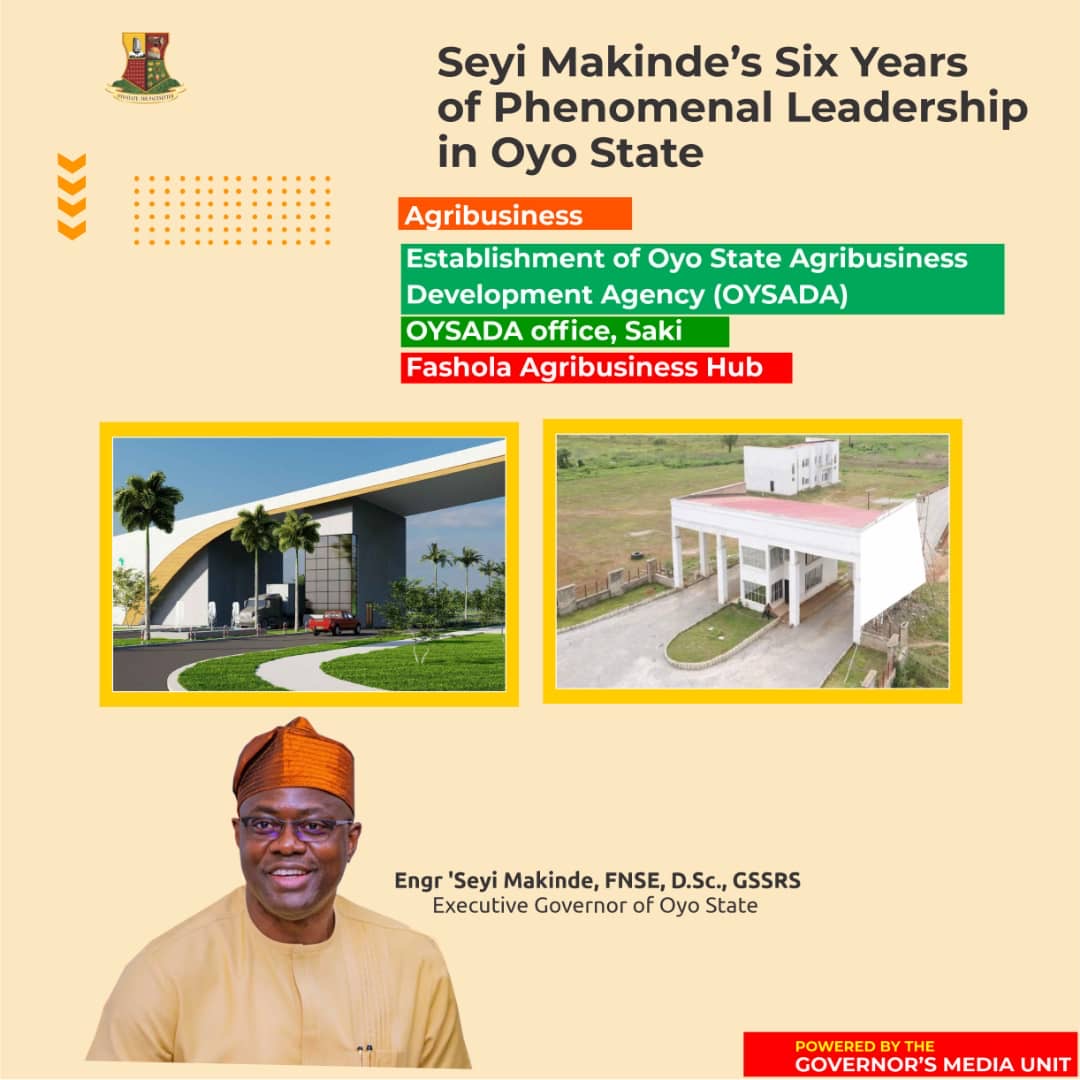
In Oyo State, the administration of Seyi Makinde has continued to demonstrate a clear commitment to the welfare of the citizens.
Through people-centered policies, infrastructural development, prompt payment of workers’ salaries, employment, pension reforms, and investments in critical sectors such as education, healthcare, and road infrastructure, Governor Makinde has consistently shown empathy toward the struggles of the people.
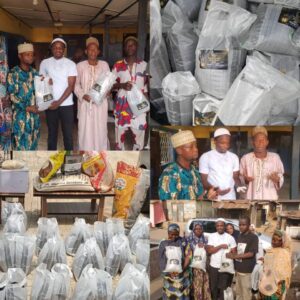
His administration has taken practical steps to ease the burden of economic hardship by prioritizing social welfare, supporting farmers, improving transportation infrastructure, and ensuring that governance remains responsive to the needs of ordinary citizens.
These efforts have brought a measure of relief and hope to many residents of Oyo State who might otherwise have been completely overwhelmed by the broader national economic difficulties.
Governor Makinde’s leadership style anchored on transparency, accountability, and inclusive governance stands as an example of how purposeful leadership can bring succour to the people even in challenging times.
His continuous engagement with stakeholders and commitment to delivering tangible dividends of democracy have reinforced public confidence in governance at the state level.
In conclusion, I wish to respectfully charge the President of the Federal Republic of Nigeria to urgently take bold and deliberate steps to steer our nation out of this troubling political and economic conundrum.
Nigerians are yearning for hope, stability, and a clear path toward national recovery.
The current moment demands decisive leadership that will restore economic confidence, strengthen democratic institutions, and protect the welfare of every citizen.
Nigeria must not drift further into uncertainty. The time to act is now.
May wisdom guide our leaders, and may our beloved nation find its way back to prosperity, justice, and shared progress.
Hon. Kazim Adeyinka Adeniyi Bibire
Deputy Chief of Staff to Governor Seyi Makinde,
Oyo State.